Plastic Shrinkage
Summary
Plastic Shrinkage - The main cause is rapid drying of the exposed concrete surface.
Technical Information
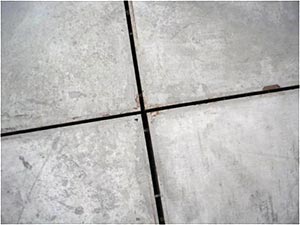
If the rate of evaporation from the surface exceeds the rate at which bleed water rises to the surface, net shrinkage will occur (with the possibility of subsequent plastic cracking).
Materials and mix design normally have a limited influence but highly cohesive concretes with very low bleed characteristics are particularly susceptible to plastic shrinkage cracking. Concretes with low water / cement ratios or containing fine additions such as limestone powder or silica fume may be at higher risk.
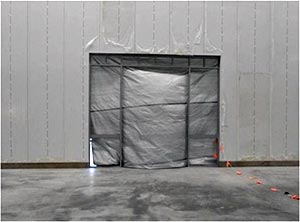
Loss of moisture from the surface can be reduced by protecting the surface from drying air flows, particularly in warm weather. Protection from wind and sun is essential and floors should be constructed after the walls and roof are in position and openings are sealed.There are practical difficulties in applying curing measures early enough to prevent plastic shrinkage cracking completely.
Please share this definition:


